The global need for effective pest control is undeniable, impacting agriculture, public health, and economic stability. A critical component of this control is the humble, yet vital, rat trap. From safeguarding food supplies to preventing the spread of disease, efficient rat control is a cornerstone of modern civilization. Understanding the nuances of different rat trap designs and deployment strategies is therefore essential for professionals and individuals alike. Historically, rat control relied on rudimentary and often inhumane methods. However, advancements in materials science, engineering, and ecological understanding have led to the development of sophisticated rat trap systems. These modern traps prioritize effectiveness, safety, and humane treatment, minimizing harm to non-target species and ensuring sustainable pest management. The increasing urbanization and globalization contribute to the spread of rat populations, making consistent and adaptable rat trap solutions increasingly important.
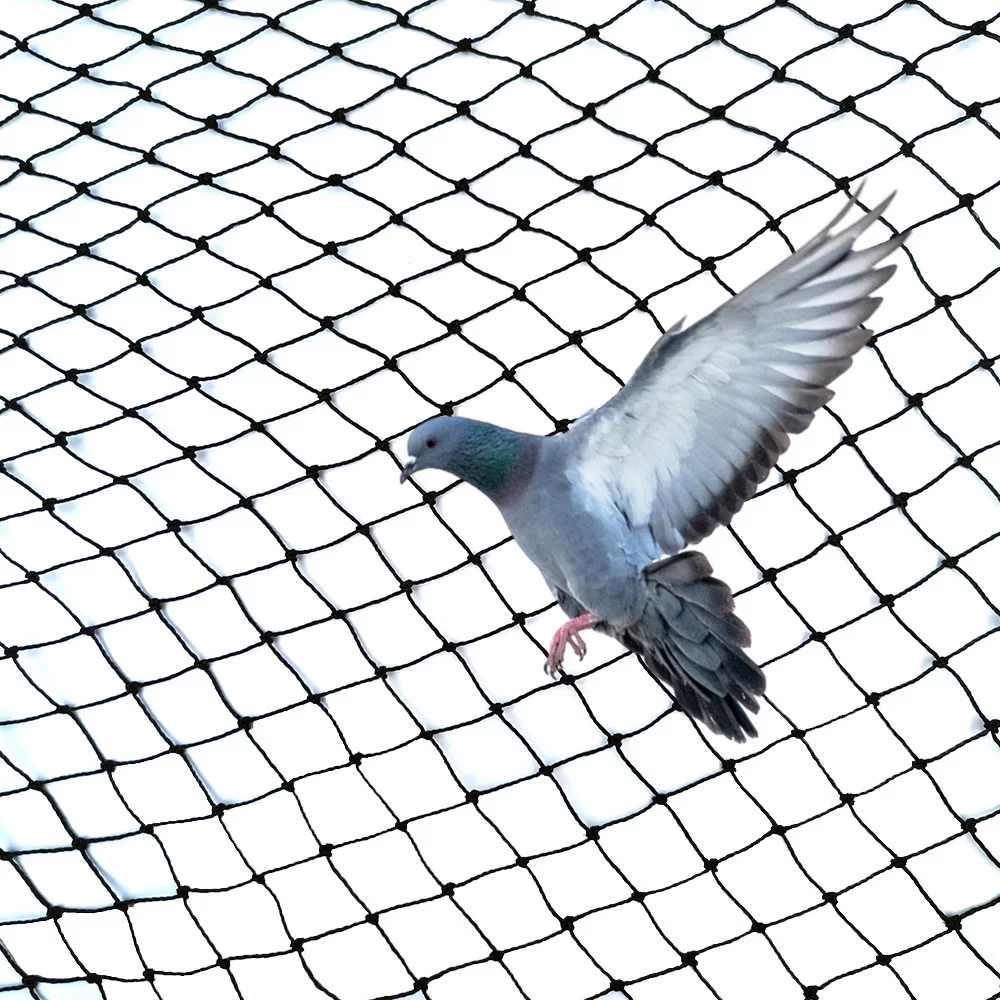
Vineyard bird netting for sale is a critical component in modern viticulture, safeguarding grape yields from significant economic losses caused by bird predation. Globally, vineyards represent a substantial agricultural investment, and protecting this investment is paramount. The increasing prevalence of bird damage, exacerbated by habitat loss and changing migration patterns, makes effective bird netting solutions increasingly vital for wine producers worldwide. Understanding the nuances of available netting – from material composition to installation techniques – is key to maximizing its protective benefits and ensuring a sustainable harvest. The market for vineyard bird netting for sale is driven by a growing demand for high-quality wine and the associated need to protect grape crops. According to data from the International Organisation of Vine and Wine (OIV), global wine production fluctuates annually, but the consistent value of the industry necessitates stringent crop protection measures. The cost of bird damage can be substantial, representing a significant percentage of potential revenue loss for vineyards.